
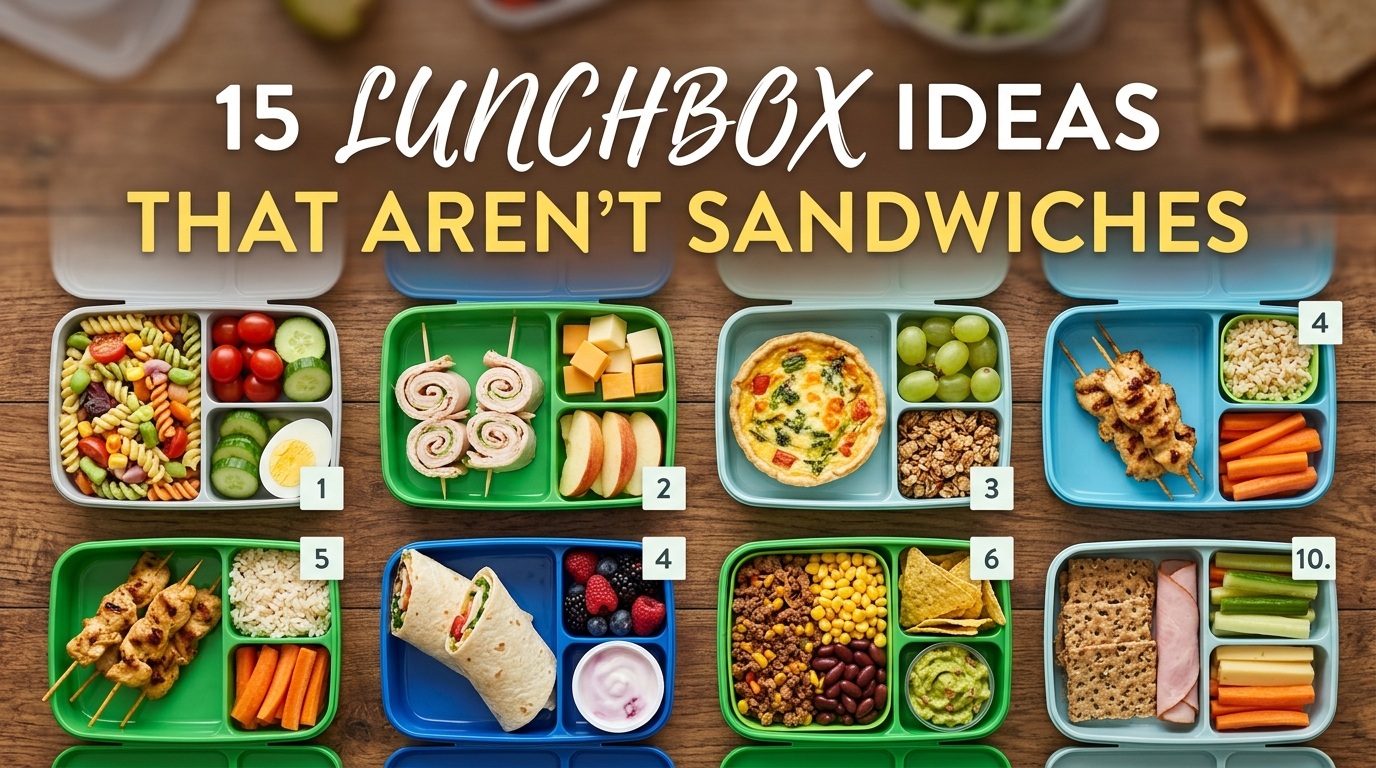

Susan is a homemaker and mother of three who has spent years packing school lunches, testing new ideas, and learning the hard way that what looks good in a lunchbox is not always what comes home eaten. With three different appetites and preferences to manage, she gradually built a list of simple meals that her children actually enjoy and that adults can easily take to work as well. She submitted this article to LivingSwag to share the 15 lunchbox ideas that have worked best for her family.
As a mom of three, I know how frustrating it can be to open a lunchbox at the end of the day and find most of the food still sitting there. I have packed the same sandwiches too many times, tried ideas my kids refused to touch, and learned that simple usually works better than fancy. Over time, I started rotating pasta, rice, eggs, snack boxes, leftovers, and other easy meals that gave my kids more variety without making my mornings stressful. These lunchbox ideas are the ones I keep coming back to, and many of them work just as well for adults who want something quick and practical to take to work.
What Should Go in a Lunchbox Besides a Sandwich?
Before searching for dozens of recipes, it helps to have a simple formula you can reuse.
Nutrition guidance varies slightly between countries, but the major recommendations in Canada and the UK are for meals made up of a variety of vegetables and fruits, grain or starchy foods and protein foods. (Canada)
If you want a practical packed lunch, think of four parts:
1. A base to fill: pasta, rice, potato, couscous, oats, crackers or another grain.
2. Protein food: chicken, eggs, beans, lentils, yogurt, cheese, tofu, fish or any other suitable alternative.
3. Fruit or vegetables: Select fruit or vegetables your child already eats. Don’t pack vegetables just because they look healthy.
4. Optional extra: yogurt, cheese, dip, fruit or other familiar side as appetite dictates.
You don’t need to make every lunch exactly the right proportions. Children’s food needs change with age, growth, activity, appetite and the rest of what they eat, so use the formula as a packing guide, not a strict portion prescription.
15 Easy Lunchbox Ideas That Aren’t Sandwiches
1. Chicken and Veggie Pasta Salad
Cold pasta is one of the easiest ways to replace a sandwich as it travels well and you can make it the night before. Toss cooked chicken, cucumber, peas, bell pepper and a light dressing with short pasta.
If your child hates mixed foods do not give up on the idea. Pasta, chicken and veggies can be kept in separate compartments and you can decide what to combine.
For adults add stronger flavors such as feta, olives, herbs or a lemon dressing. There’s a full make-ahead recipe further down in this article.
2. Rice and Bean Taco Bowl
Turn taco night leftovers into tomorrow’s lunch with cooked rice from dinner, black beans, corn, grated cheese and chopped vegetables.
Pack salsa, guacamole or plain yogurt separately so the rice doesn’t get mushy. If your kid prefers to eat things separately, a deconstructed taco box is a good alternative: rice in its own space, beans in theirs and toppings on the side.
Adults can add additional vegetables like leftover chicken, tofu, and avocado.
3. Mini Egg Muffins
Egg muffins are little baked egg cups made in a muffin tin. Additions like peas, spinach, capsicum, cheese or chopped cooked vegetables can be added to the eggs before beating and baked until set.
They can be prepared in advance and packed cold with fruit and a second filling side. Eggs dishes should be cooked thoroughly. FoodSafety.gov recommends a safe minimum internal temperature of 160 degrees F (71 degrees C) for egg dishes. (FoodSafety.gov)
If your child automatically rejects vegetables in eggs, make plain cheese versions and serve the vegetables on the side.
4. Chicken Meatballs With Couscous
These small cooked meatballs are easy to fit into a lunch box alongside other foods such as couscous, rice, roasted veggies, cucumber or fruit. Batch-cook these meatballs ahead of time then freeze individual meals to eat throughout the week – this is definitely one of the most practical ‘meal prep’ lunch ideas!
Remember to make sure chicken meatballs reach 165°F (74°C) during the cooking process because it’s important that chicken reaches this temperature to ensure its properly cooked safely (FoodSafety.gov)
5. Hummus and Dipper Box
The items you include don’t all have to make up one big dish either. Try packing some hummus with veggies like cucumbers, bell peppers, cooked vegetables, whole grain crackers, some fruit, plus another source of protein or dairy if desired.
This can be helpful for those kids who would rather eat more than one smaller item at lunchtime over just eating one larger dish. When packing for little ones, keep in mind what’s appropriate for them based on their development stage. Hard raw vegetable sticks and many firmer foods will likely need to be cooked through, softened, or simply cut into different shapes as these types of foods can pose choking hazards to our littlest friends. (HealthyChildren.org)
6. DIY Lunchbox Snack Plate
This homemade lunch kit isn’t just about taking a sandwich apart! Add some cheese, cooked chicken pieces, whole-grain crackers, berries, cucumber, and a little dip to your child’s boxed lunch.
You’ll find great flexibility by keeping 2 or 3 trusted foods inside the box. Then you can slowly introduce other items that are more obscure to your kid — without turning their whole meal into something new they have never eaten before!
Try adding olives, roasted vegetables, hummus, a hard-cooked egg, or a bean salad for an adult twist on this idea.
7. Macaroni, Peas, and Cheese in a Food Jar
Cold lunches can be unappealing to some children. If your kids aren’t big fans of cold lunch options, macaroni with peas and cheese could be great if served warm inside an insulated food container. You’ll have all the supplies needed at home since this dish is pretty simple to prepare.
Make sure to follow the directions that come with your insulated container manufacturer’s guidelines. Make sure the food is heated appropriately if you’re packing food to remain hot, as opposed to packing it lukewarm for transport.
Additionally, this option is helpful if there isn’t a microwave available at school.
8. Yogurt, Fruit, and Oat Lunchbox
Plain or lower sugar version of this yogurt-based meal will allow you to make use of some seasonal fruits that are often available during summer months. Berries, banana, oats, granola etc., along with plain/low fat yogurt could serve as a great option for kids who usually don’t require much more calories. You can always go with adding another fill food item if needed – eggs, cheese, oat muffin, cracker etc., however it’s best advised to keep all the dry items away from the wet ones.
Since yogurt is a fresh one, keeping the lunch box properly chilled would ensure maximum freshness till lunch time.
9. Chicken Fried Rice
Leftover Cooked Rice You might have heard this term ‘leftovers’ which sounds quite unappetizing, however once again I’d love to suggest that even leftover meals can turn out to be great lunches for everyone on board if prepared correctly.
Try mixing the leftover cooked rice with some fully cooked egg/chicken/pasta/peas/carrots etc., and then serving hot! This is ideal for those working folks who want to avoid using microwaves since they’re packed into a food container. If your kid doesn’t eat too much, then just put this meal in the lunch box and let him/her do the rest. (FoodSafety.gov)
10. Loaded Baked Sweet Potato
Baked sweet potato instead of bread/rice/pasta is another alternative of avoiding processed grains and carbs. Try topping it up with various combinations like beans and cheese, chicken and corn, lentils and whatever else is familiar to you.
If going for work, its best advised to prepare toppings separately so you can mix things right before putting into containers after warming. If taking to schools, having mashed versions of sweet potatoes mixed together may help avoid any issues with a stuffy tuber. Also remember to bake extra potatoes whenever possible!
11. Cold Noodle Bowl
After cooking the noodles, toss with shredded veggies plus cooked chicken/tofu/edamame for lunch. If your noodles soak up too much of the liquid from the dressing during storage, you might want to keep this one separate and use it when you make your sandwich at lunchtime.
Use caution when using sauces that contain ingredients common allergens – e.g., peanuts/tree nuts/sesame/soy. If your family has diagnosed food allergies, it’s best to follow the individualized plan developed by your pediatrician and the policies set forth by your school. (FoodAllergy.org). A simple olive-oil or familiar dressing can work just as well.
12. Lentil and Rice Bowl
I love serving this combination of cooked lentils + rice together because there’s flexibility! You could serve some cucumber slices, roast up some veggies, top with a few spoonful of grated cheese, some yogurt or anything else that makes your own family happy. Adults might appreciate some added herbs, lemon juice, spices, etc., but kids will probably enjoy these items separate from their main meal.
It’s a great idea to experiment with introducing beans/lentils into the lunch box by using these as your base food. It doesn’t mean you have to pack just this every day!
13. Breakfast-for-Lunch Box
I find mini pancakes or waffles work well and you can always add a scoop of yogurt along with a little fruit and then a cooked egg for a nicely balanced option. These should go fast. Make a batch of pancakes and freeze them in portion sizes. Depending upon your kid’s age, choose appropriate accompaniments & be sure to check out what kind of food allergies are allowed at schools. (FoodAllergy.org)
14. Soup or Chili in an Insulated Container
Soups, bean chili, lentil stew and other warm dishes can provide much greater satiety than another slice of cold sandwich especially during colder months. Heat through the dish thoroughly and utilize an insulated food jar to ensure things remain hot for longer periods. When you’re about to reheat your leftovers prior to packing lunches, be sure to heat through fully until reaching 165°F (74°C) according to guidelines provided by (FoodAllergy.org)
If spillage isn’t too big of a problem for you and/or your little ones, opt for thickened soups or chili instead of thin broth style varieties which tend to spill easily. Always utilize containers they can successfully open themselves.
15. The Leftover Dinner Lunchbox
An easy one that you’ve probably heard before is packing a meal from your dinner plate into the lunchbox.
You don’t need to cook up anything fancy if you know something good is coming out of the oven or on your stove — just cut or mix up a few more ingredients. For example, grilled chicken and steamed veggies could easily go together for lunch instead of being two separate meals.
For leftover items like refrigerated cooked meats and poultry, keep them stored between 40°F (4°C) or below for only three to four days, says (FoodAllergy.org)
Label your leftovers with dates to help you remember which ones to eat first.
Which Lunchbox Idea Fits Your Day?
Some lunches are much easier in certain situations than others.
| Situation | Good Options |
| No microwave available | Pasta salad, snack box, hummus box, cold noodles |
| Warm lunch preferred | Soup, chili, macaroni, fried rice |
| Picky eater | Deconstructed taco bowl, snack plate, breakfast box |
| Prepare the night before | Pasta salad, egg muffins, rice bowl |
| Vegetarian lunch | Lentil bowl, hummus box, bean taco bowl |
| Work lunch | Leftovers, baked sweet potato, noodle bowl |
| Very little morning prep | Leftovers, snack plate, prepped pasta salad |
The Lunchbox Problem Parents Worry About Most: “Will My Child Actually Eat It?”
A nutritionally impressive lunch does very little good if your child will not touch it.
Picky eating is common, and turning lunch into a daily argument can make the problem harder. The American Academy of Pediatrics recommends offering a variety of foods without forcing children to eat unfamiliar choices and notes that children may need repeated exposure before accepting new foods. (HealthyChildren.org)
A practical lunchbox approach is to include at least one or two foods your child usually accepts. If you want to introduce something new, add a small amount next to familiar food instead of replacing every safe choice at once.
School is also not always the ideal place for a major food experiment. Children may have limited time to eat, distractions around them, or packaging they cannot easily open. Test new lunch containers and foods at home first.
[INTERNAL LINK NEEDED: picky eater meal ideas for kids]
Easy Lunchbox Ideas for Kids Without Sandwiches: Make Them School-Friendly
A meal that works beautifully at home may fail in a school cafeteria. Before choosing a recipe, ask three practical questions.
I suggest asking yourself these questions before you settle on your recipe. Can your little munchkin pop this open (container, food jars, yogurt lids, reusable packaging)? Is it likely that your kid will finish eating it during the time provided for lunch?
Or would it require assembling several pieces which could make it hard for them to eat quickly? Are there any items that need refrigerating or heating up – then you’ll want to bring along a suitable lunch bag/ice packs/insulated food container.
Some things aren’t as important as others when packing lunch boxes… but they still impact how successful your meal will be!
What About a Child Who Wants the Same Lunch Every Day?
In case you’re wondering, I don’t believe we actually need 15 different lunches every week. You can vary things around quite easily by just swapping out the side dish each day or pairing egg muffins with various fruit options for example.
But if your child’s current food selections consist of such an incredibly restricted array that it prevents you from meeting all nutritional requirements needed or means they suffer from feeding issues, lose weight and/or aren’t growing as expected then please contact their pediatrician or talk to an appropriately qualified dietitian rather than relying solely on online lunch idea inspiration!
Check Choking Risks Before Packing Younger Children’s Lunches
Lunchbox advice for a 10-year-old is not automatically safe for a preschooler.
The American Academy of Pediatrics identifies foods such as whole grapes, nuts and seeds, popcorn, raw vegetable pieces, hot dogs, chunks of meat or cheese, hard candies, and thick chunks of nut butter as potential choking hazards for young children. It recommends avoiding or appropriately modifying high-risk foods, particularly for children younger than 4, depending on development and maturity. (HealthyChildren.org)
That means a social-media lunchbox filled with whole grapes, popcorn, nuts, raw carrots, and cheese cubes may need significant changes before it is appropriate for a young child.
[INTERNAL LINK NEEDED: age-appropriate healthy snacks for children]
Food Allergies: Don’t Assume “Nut-Free” Is the Only Rule
Food-allergy needs are individual, and school procedures also vary.
If your child has a diagnosed food allergy, follow their medical and school management plan. Organizations focused on school food-allergy safety emphasize reducing allergen exposure, communicating known allergies to relevant school staff, and preparing for allergic emergencies. (FoodAllergy.org)
Even when your own child has no allergy, check school rules before sending foods containing common allergens. Do not label a homemade lunch “allergy-safe” unless you can genuinely verify the ingredients and cross-contact risks involved.
How to Keep a Packed Lunch Safe Until Noon
Food safety is one of the most important parts of packing lunches because many popular lunchbox foods—cooked chicken, eggs, yogurt, cheese, meat, and leftovers—are perishable.
USDA guidance recommends an insulated lunch bag and at least two cold sources for lunches containing perishable foods. These can include frozen gel packs or other appropriate frozen cold sources. (Food Safety and Inspection Service)
Keep cold foods at 40°F (4°C) or below when possible. Perishable foods should not sit in the temperature “danger zone” between 40°F and 140°F (4°C–60°C) for extended periods because bacteria can multiply more rapidly within that range. (FoodSafety.gov)
Preparing lunch the night before is fine, but refrigerate the food overnight and pack it with appropriate temperature control before leaving home. (Food Safety and Inspection Service)
What Should I Pack for Lunch at Work Instead of a Sandwich?
For work, you usually have more options because a refrigerator, microwave, or both may be available.
Try grain bowls, leftover dinner, pasta salad, lentil bowls, soup, chili, cold noodle salads, baked potatoes, or snack-style boxes. If you have access to a refrigerator and microwave, leftovers are particularly convenient because you can cook once and use part of the meal the following day.
Without refrigeration, use an insulated lunch bag with appropriate cold sources for foods that need to remain chilled. (Food Safety and Inspection Service)
[INTERNAL LINK NEEDED: meal prep lunch ideas for work]
Frequently Asked Questions
What can I put in a lunchbox instead of sandwiches?
Pasta Salad Rice Bowls Egg Muffins Soup Chili Cold Noodles Baked Potatoes Yogurt Bowl Hummus Box Meatballs Beans Dinner Leftovers. Pair your main food source with fruit/vegetables and another food that you know how to eat easily. This will ensure that your child has something easy on hand and they won’t be bored at their lunchboxes.
It only takes minutes to assemble your yogurt and fruit box, hummus snack box, or cheese and cracker platter, but you may also want to try putting together your lunch based on refrigerated leftovers. You don’t have to prepare much in the morning if your food choices are limited (yogurt, cheeses, cooked meats, etc.) because those items will require some kind of proper cold storage during transportation anyway.
How can I ensure my lunches won’t be soggy?
One tip for preventing sogginess is separating wet ingredients, like salads, dressings, salsas, yogurts, dips, etc., into leak-proof containers so they’re stored separately from other crunchy or crispy items. For example, pack up your veggies in their own container rather than mixing them with crackers or chips hours ahead of time.
Can you prep lunch ahead of time?
We recommend that lunches are prepped the night before, with some exceptions based on food safety guidelines from the USDA. They advise keeping lunch items refrigerated overnight, then properly storing them as cold sources when carrying over to your school lunchbox . (Food Safety and Inspection Service)
How do you pack meals for picky eaters?
Start With What They Know. Try giving them a snack plate, plain pasta, an egg muffin, some rice, cheese, yogurt, fruit or a deconstructed meal to begin.
Give New Foods Without Pressure. Serve new items alongside familiar favorites and offer only small portions of these new things at first — no pressure! (HealthyChildren.org)
How do you make a lunch box healthier without kids rejecting what’s inside?
You don’t have to go all out and rebuild their entire lunch. Make small healthy swaps like including a fruit they love alongside their regular main dish, swapping out their regular pasta for whole grain if they accept that option, or adding just one veggie item that they already eat. If there are big dietary restrictions or major concerns about nutrition, discuss this with a pediatrician or qualified dietitian.
Make Variety Easier, Not More Complicated
Nope! You don’t need 15 unique recipes rotating into your lunchbox just to avoid sandwich fatigue. These are all flexible concepts for meals I’ve made dozens of times using various ingredients: a pasta box, a rice bowl, a snack plate, an egg-based lunch, a warm food jar, or some leftovers.
Pick three of these concepts that work well with what your whole family already likes to eat this week. Prep one component then mix up things based on how many varieties you want each day without trying to come up with brand-new lunches every single morning.