
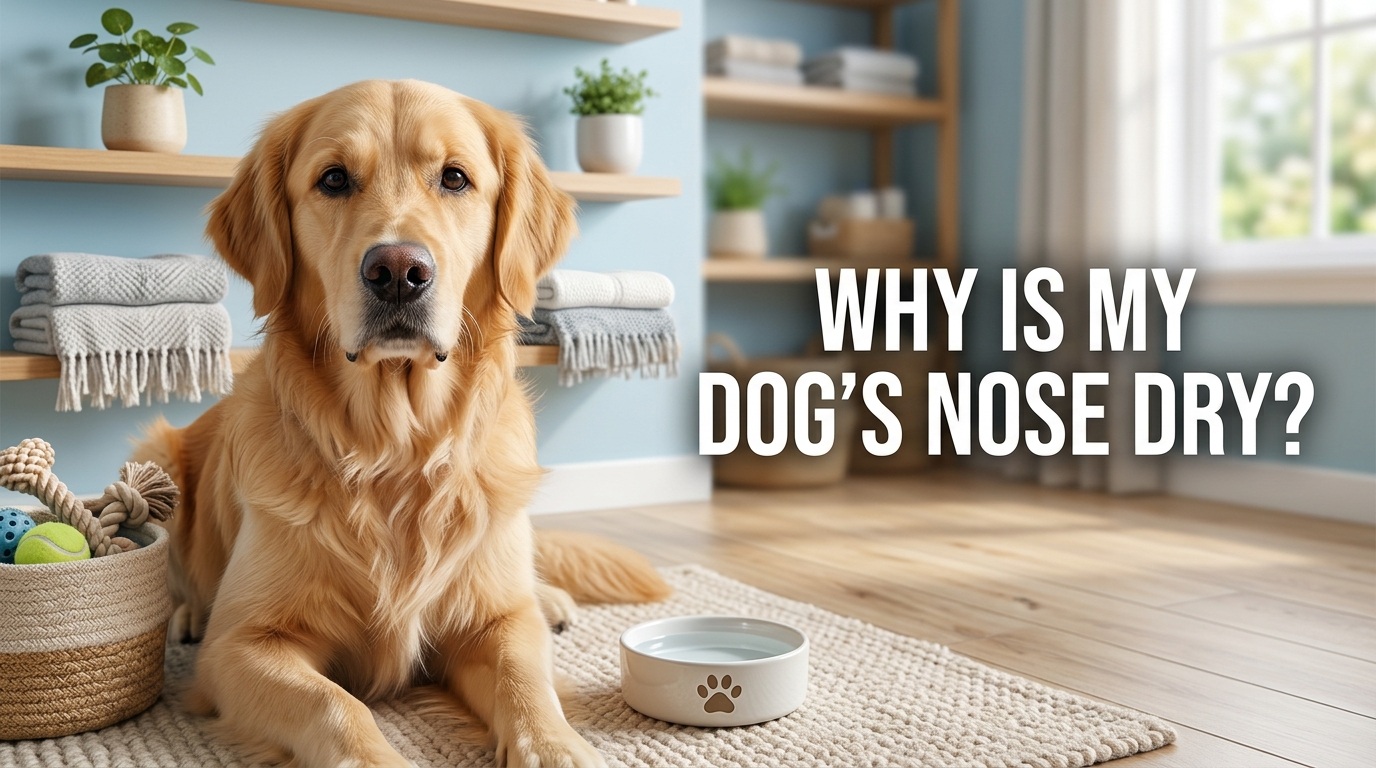

I’m Dr. Rosie, a veterinarian focused on pet health. Many worried owners think a dry nose signals a serious problem. A common question I get is, “My dog’s nose used to be wet, but now it feels dry. Should I be worried?” A dog’s nose can dry out for many reasons, like napping, weather changes, mild dehydration, or other environmental factors. Yet, dryness can also point to an issue that needs attention. In this article, I’ll cover why your dog’s nose might be dry, what signs to watch for, and when to call your vet.
How Should a Healthy Dog’s Nose Feel?
Many believe a healthy dog should always have a cool, wet nose. While a moist nose is normal, it’s not the only sign of good health.
A typical dog’s nose may feel:
• Slightly cold or warm
• Moist at times
• Dry after waking up
• Different based on the environment
Dogs lick their noses to keep them moist. This helps them gather scent particles and boosts their sense of smell. Since dogs rely heavily on smell, keeping their noses healthy is essential.
However, each dog is different. Some healthy dogs naturally have drier noses.
A dry nose doesn’t always mean your dog is sick. Vets consider the full picture, including your dog’s energy, appetite, behavior, and other symptoms.
Why is my dog’s nose dry? Common Causes and Solutions
There are various reasons why your dog’s nose could get dry. Some are transitory and harmless, while others may necessitate medical treatment.
1. Your dog just woke up.
One of the most prevalent causes of a dry dog nose is napping.
While sleeping, dogs normally stop licking their noses. Without regular licking, the nasal surface may lose moisture and feel dry.
You might notice:
• Dry nose in the morning.
• Normal moisture returns later in the day.
• No additional signs of sickness.
This is usually not a problem if your dog is acting properly.
2. Weather and Environmental Changes
Your dog’s nose can react to the surroundings in the same way that human skin does.
Dryness can occur due to the following:
• Cold winter air.
• Indoor humidity levels are low.
• Wind exposure.
• Hot weather.
• Spending too much time in direct sunshine.
For example, dogs in colder climates may suffer higher nose dryness throughout the winter because indoor heating systems diminish air moisture.
If your home’s air feels dry, a humidifier can assist improve overall comfort for both you and your pet.
3. Mild dehydration
A dog who does not drink enough water may show signs of dehydration, such as a dry nose.
Possible explanations include:
• Limited access to clean water sources.
• Increased activity.
• High temperatures.
• Illness altering appetite and drinking habits.
A dry nose does not necessarily indicate dehydration, but it is worth examining your dog’s water consumption.
The following signs may indicate dehydration:
• Low energy.
• Dried gums.
• Reduced appetite.
• Sunken-looking eyes.
If you suspect dehydration in your dog, urge him to drink fresh water and consult your veterinarian if the symptoms persist.
4. There Are Irritants in Your Dog’s Nose
Dogs use their noses to investigate their surroundings. Every day, they sniff outdoor spaces, flooring, plants, and furniture.
Dryness or discomfort may result from exposure to specific irritants.
Examples consist of:
• Cleaning supplies for the home
• Dust
• Pollen
• Smoking
• Powerful scents
If a new product causes your dog’s nose to get dry, think about eliminating the potential irritant and keeping an eye on any changes.
5. Overexposure to the Sun
Sun-related skin issues can affect dogs, particularly those that have:
• Coats that are short
• Light-colored noses
• Pink spots of the nose
• The nose may develop thin facial hair.
• Dry
• Flaky
• Crusty
Dogs who are irritated and spend a lot of time outside might require protection from the sun. Because not all human sunscreens are appropriate for pets, see your veterinarian about safe alternatives for dogs.
Is a Dry Dog Nose a Sign of Illness?
Generally speaking, a dry nose by itself does not indicate that your dog is ill. Temporary dryness is common in healthy dogs.
On the other hand, dryness in conjunction with other changes can point to an issue.
Be mindful if your dog has:
• Skin that is broken or bleeding
• The nose has thick crusts.
• Discharge from the nose
• Swelling
• Pain upon contact
• A decrease in appetite
• Excessive fatigue
• A fever
• Modifications in conduct
Infections, allergies, skin disorders, immune system issues, and other health issues may need to be checked by your veterinarian.
Your dog’s general health is more essential than just the smoothness of their nose.
Dry Nose vs Sick Nose: How to Tell the Difference
| Normal Dry Nose | Possible Concern |
| Happens after sleeping | Remains dry for a long time |
| Dog acts normally | Dog seems tired or unwell |
| No cracks or wounds | Bleeding or painful cracks |
| Moisture returns later | Increasing dryness |
| Normal appetite | Appetite changes |
A healthy dog can have a dry nose occasionally. A concerning situation usually involves additional symptoms.
Can a Dog’s Dry Nose Be Caused by Allergies?
Yes, allergies can occasionally cause dryness and irritation of the nose.
Dogs may respond to:
• Pollen
• Dust mites
• Specific foods
• Materials found in the environment
Signs of allergies can include:
• Licking the paws
• Itching of the skin
• Irritation of the ears
• Sneezing
• A red complexion
• Irritation of the nose
A veterinarian can assist in determining potential causes if your dog licks, scratches, or experiences recurring skin issues.
Does a Dog’s Nose Moisture Change with Age?
Yes, your dog’s skin and nose may alter as they get older.
Older pets may encounter:
• Less frequent licking of the nose
• Variations in skin hydration
• Increased awareness of environmental factors
Additionally, new or persistent changes should be evaluated with your veterinarian because older dogs are more likely to acquire certain health concerns.
Frequent wellness appointments become very crucial as dogs get older.
Should I Put Something on My Dog’s Dry Nose?
Many owners search for quick solutions when they notice dryness. However, it is important to choose products carefully.
Avoid applying:
- Human lotions
- Perfumed products
- Essential oils
- Medicated creams without veterinary advice
Dogs lick their noses, so anything applied should be safe if swallowed in small amounts.
A veterinarian may recommend a pet-safe nose balm or treatment depending on the cause of dryness.
Before using any product, check that it is specifically designed for dogs.
What Does Your Dog’s Nose Tell You About Their Health?
Your dog’s nose can provide clues, but it is only one small part of their overall health.
Veterinarians consider:
- Appetite
- Energy levels
- Drinking habits
- Bathroom habits
- Coat condition
- Breathing
- Behavior changes
For example, if your dog’s nose is dry but they are eating normally, playing, and acting happy, it is often less concerning than dryness combined with major behavior changes.
When Should You Call a Veterinarian About a Dry Dog Nose?
Most cases of a dry dog nose are temporary and harmless. However, some changes should not be ignored, especially when they appear suddenly or continue for a long time.
As a veterinarian, I advise pet owners to look beyond the nose itself. A dry nose becomes more concerning when it appears together with other physical or behavioral changes.
Contact your veterinarian if you notice:
1. Cracked, Bleeding, or Painful Nose Skin
A healthy dog’s nose should not have deep cracks, wounds, or bleeding areas.
You should seek veterinary advice if your dog’s nose:
- Has open sores
- Looks swollen
- Bleeds frequently
- Seems painful when touched
- Develops thick crusts
These signs may indicate irritation, infection, allergies, or other conditions affecting the skin.
2. Changes in Nose Discharge
A small amount of clear moisture can be normal. However, unusual discharge deserves attention.
Speak with your veterinarian if you notice:
- Yellow or green discharge
- Blood coming from the nose
- Thick mucus
- Discharge from only one nostril
- Frequent sneezing
These symptoms may point to irritation, infection, or another health concern.
3. Your Dog’s Behavior Changes
Your dog’s overall behavior is often a better health indicator than nose moisture alone.
Pay attention if your dog:
- Sleeps more than usual
- Refuses food
- Seems weak
- Avoids activities they normally enjoy
- Shows signs of discomfort
A dry nose combined with these changes should be evaluated.
4. Your Dog Has Other Health Symptoms
A dry nose may appear alongside other problems.
Contact your veterinarian if you also notice:
- Vomiting
- Diarrhea
- Weight loss
- Excessive thirst
- Difficulty breathing
- Changes in urination
For example, questions like how long can a dog hold its pee often come from owners noticing changes in bathroom habits. While every dog is different, sudden changes in urination patterns can sometimes signal a health issue and should be discussed with a professional.
How to Help Your Dog’s Nose Stay Healthy
You cannot force your dog’s nose to stay wet all the time, but you can support healthy skin and comfort.
Provide Fresh Water Every Day
Good hydration supports normal body functions, including healthy skin.
Make sure your dog has:
- Clean drinking water
- Easy access to water
- Fresh water replaced regularly
Dogs may need more water during:
- Hot weather
- Exercise
- Illness
- Increased activity
Keep Your Home Environment Comfortable
Indoor air can affect your dog’s skin and nose.
Helpful steps include:
- Avoiding extremely dry indoor air
- Cleaning dust regularly
- Limiting exposure to smoke
- Using pet-safe cleaning products
Environmental changes may also help dogs with sensitive skin.
Avoid Harsh Products Near Your Dog
Many household products can irritate sensitive noses.
Avoid allowing your dog to directly contact:
- Strong cleaners
- Air fresheners
- Chemical sprays
- Fragranced products
Dogs investigate the world through smell, so their noses are exposed to many surfaces.
Check Your Dog’s Nose Regularly
A quick weekly check can help you notice changes early.
Look for:
- New cracks
- Swelling
- Color changes
- Unusual texture
- Discharge
Regular observation does not replace veterinary care, but it helps you recognize when something is different.
Common Myths About Dry Dog Noses
There are many old beliefs about dog noses that are not completely accurate.
Myth 1: A Wet Nose Always Means a Healthy Dog
A wet nose is typical, but it does not indicate good health.
Dogs can have a moist nose while yet having health issues. Veterinarians look for a variety of different indicators.
Myth 2: A dry nose always indicates that your dog is sick
This is one of the most popular misconceptions.
A dog might have a dry nose because:
• They were asleep.
• Weather changed.
• They were indoors, with dry air.
• They have natural variability.
The key question is whether there are further symptoms.
Myth #3: You Should Immediately Apply Human Moisturizers
Human skin care products are not intended for dogs.
Some components may irritate or endanger your dog if licked.
Always use dog-specific products or get guidance from your veterinarian.
How to Support Your Dog’s Overall Health
A healthy nose is only one aspect of your dog’s overall wellness.
Good preventive care involves:
Regular Veterinary Visits
Routine checks aid in the early detection of health problems.
Your vet can monitor:
• Weight
• Skin health.
• Oral health
• Required vaccinations
• Overall condition.
A balanced diet
Nutrition influences several aspects of health, including skin and coat condition.
Your dog’s diet should include:
• Use appropriate calories.
• Provides essential nutrients.
• Proper hydration.
If your dog has allergies or skin problems, your vet may suggest nutritional changes.
Daily Exercise and Mental Stimulation
Physical activity promotes complete wellness.
Depending on your dog’s breed, age, and health, activities could include:
• Walks.
• Play sessions.
• Training games.
• Puzzle toys.
Behavior changes can occasionally show before physical symptoms, so understanding your dog’s regular habits is beneficial.
Frequently Asked Questions
Is my dog’s nose usually dry at night?
Yes. Many of our dogs’ noses are dry after sleep as they don’t use them to lap up water at that time. Should your dog wake up and go about his business eat, play and does not show any other symptoms out of the ordinary, then occasional dryness is nothing to worry about.
Is it true that my puppy has a dry nose which I should worry about?
A puppy’s dry nose is not always an issue. Their natural level of nasal moisture may vary. That said if your puppy develops cracked skin, discharge, low energy, poor appetite or any other symptoms you should bring them in to see the vet.
How do I care for my dog’s dry nose naturally?
The best approach is to not try out different household products. If your dog’s nose needs treatment consult your vet about which pet safe nasal balm or dog specific products are available.
Does my dog have a fever if it has a warm and dry nose?
Not always. A dog’s nose may go through changes in temperature and moisture levels throughout the day. For an accurate reading of a fever use a vet’s thermometer and professional help.
Why my dog’s nose is very dry and cracked?
Cracks in the skin may be a result of dry environment, inflammation, overexposure to the sun, allergy, or skin disease. In case of mild dryness which goes away on its own is also seen, but if you are seeing recurrent cracks or bleeding you should take your pet to the vet.
Final Thoughts: What does it mean when my dog’s nose is dry?
If you are confused as to why my dog’s nose is dry it is for the most part not a health issue. Dryness may be brought about by normal everyday things like sleep, weather, or environment.
The best way is to view your dog as a whole. A healthy dog which has typical energy, appetite and behavior may have a dry nose. That said dryness which is accompanied by cracks, discharge, pain or health issues requires professional attention.
As a pet owner you will see that the best way to care for your dog’s health is by which you notice small changes. Pay attention to your dog’s usual behaviors, give them proper daily care, and bring your dog in to the vet should anything not seem right.