

Easy Indoor Plants That Actually Thrive
By Olivia Bennett
Indoor Gardening Expert
Olivia Bennett is an indoor gardening expert and home plant care writer with a specialty. She helps beginners with choice and care of house plants. She does in depth research on low light plants, indoor gardening methods, and simple ideas to bring green into your home environment. It is her goal to make plant care accessible to homeowners, renters, and to all that are looking to bring in more natural elements into their homes.
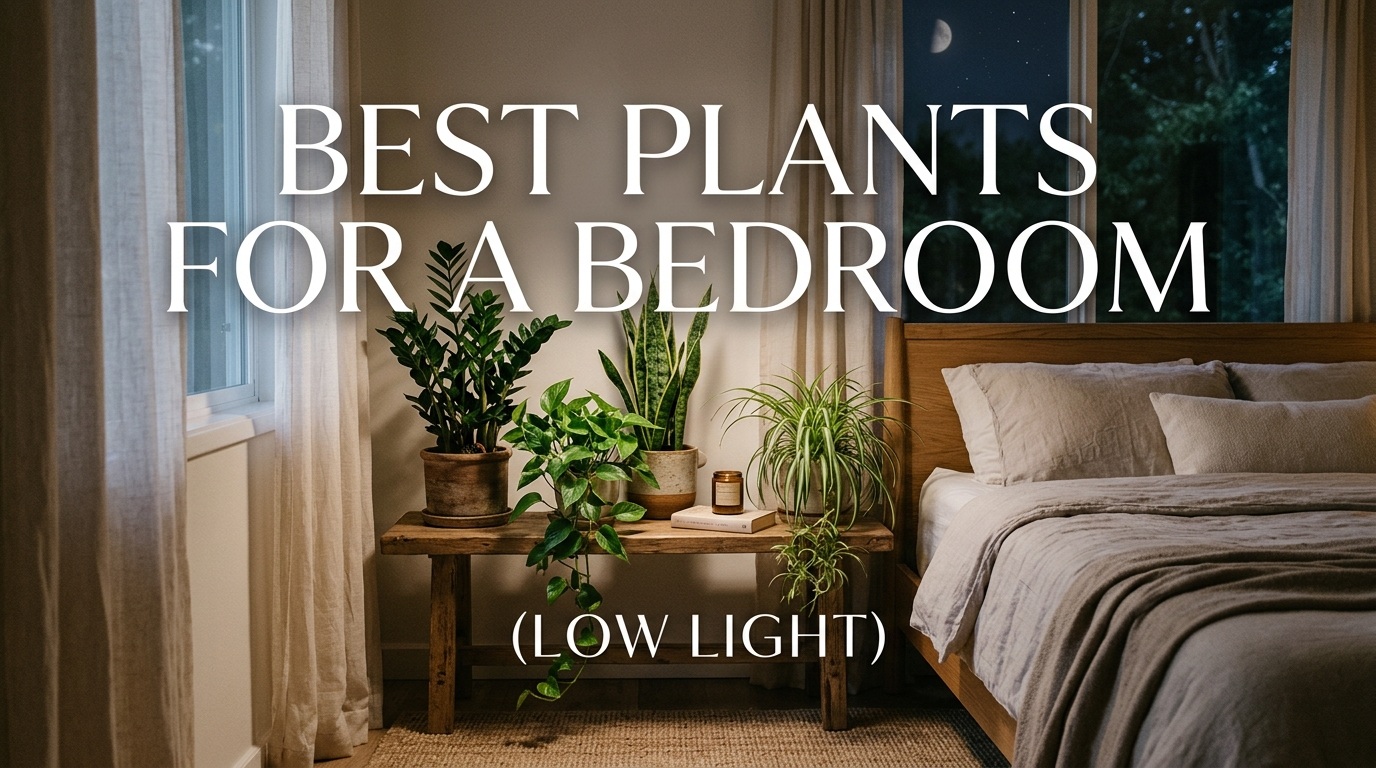
In many cases a bedroom has a small window or limited sun that does not have to appear empty. It is true that many think indoor plants require bright sun all day but in fact there are many houseplants which do well in low light when given proper care. In to choosing the best plants for a bedroom also put out that you go beyond look and think of how much light, space and attention your room in reality can give.
In a bright living room some plants do great but may fail in a dark bedroom, also some very adaptable species do well with indirect light and occasional care. You can choose the right ones to bring in the green, improve your space’s look, and which also improve the feel of the room without making plant care a daily task.
What Makes a Plant Good for a Bedroom?
The best bedroom plants are usually those that tolerate indirect light, have manageable watering needs, and fit the size of your space.
A bedroom creates a unique environment compared with other areas of the home.
Factors to consider include:
Available Light
“Low light” is one of the most misunderstood terms in indoor gardening.
A low-light room usually means:
- A room with limited direct sunlight
- A space away from windows
- A north-facing room
- A room with filtered daylight
It does not mean complete darkness.
All plants need some light because they use photosynthesis to create energy. Even low-light plants need access to natural or artificial light.
Room Temperature and Humidity
Most common bedroom houseplants prefer temperatures comfortable for humans.
Generally, they perform well in:
- Stable indoor temperatures
- Moderate humidity
- Protection from cold drafts
Avoid placing plants directly beside:
- Heating vents
- Air conditioners
- Cold windows during winter
Sudden temperature changes can stress plants.
Plant Size and Placement
Bedrooms often have less space than living rooms.
Before buying a plant, consider:
- Nightstand space
- Shelf height
- Window area
- Floor space
A large plant may look attractive online but become difficult to manage in a small bedroom.
Best Plants for a Bedroom: Top Low-Light Picks
1. Snake Plant (Sansevieria)
Snake plants are at the top of the list for bedroom plants as they do very well in a wide range of conditions and require little care.
It is a great choice for beginners because it does:.
• Lower light conditions
• Infrequent watering
• Indoor temperature changes
Snake plants have tall leaves which is to say they are great for:.
• Small corners
• Nightstands
• Minimalist bedrooms
According to the RHS snake plants are characterized by their architectural leaves and to do well indoors in a variety of settings.
Royal Horticultural Society – Sansevieria Care Guide
Care Tips
- Allow soil to dry between watering
- Use well-draining soil
- Avoid keeping roots constantly wet
Overwatering is one of the most common reasons snake plants develop problems.
2. Pothos (Epipremnum aureum)
Pothos is another excellent choice for bedrooms because it grows well in different indoor environments.
It is especially useful for:
- Hanging baskets
- Shelves
- Small spaces
Its trailing vines create a softer appearance compared with upright plants like snake plants.
Pothos can tolerate lower light, although growth may slow compared with brighter indirect light.
Care Tips
Water when the top portion of soil feels dry.
Avoid watering based only on a schedule because plant needs change depending on:
- Season
- Pot size
- Room temperature
- Light level
3. ZZ Plant (Zamioculcas zamiifolia)
The ZZ plant is popular among people who want greenery with very little maintenance.
It stores water in thick underground structures called rhizomes, which helps it tolerate periods without watering.
This makes it suitable for:
- Busy professionals
- Frequent travelers
- Beginner plant owners
Care Tips
The biggest mistake with ZZ plants is overwatering.
Signs of overwatering include:
- Yellow leaves
- Soft stems
- Mushy roots
4. Peace Lily (Spathiphyllum)
Peace lilies are popular bedroom plants because they combine attractive foliage with elegant white flowers. They are often recommended for indoor spaces because they can tolerate lower light conditions better than many flowering plants.
However, there is an important difference between surviving and thriving.
A peace lily placed in a very dark corner may stay alive but produce fewer flowers. It usually performs better with bright, indirect light.
Peace lilies are a good choice for people who want:
- A larger leafy plant
- A softer bedroom aesthetic
- A plant that shows visible signs when it needs water
One useful feature of peace lilies is that they often droop noticeably when thirsty, making them easier for beginners to read.
Care Tips
- Keep soil slightly moist but not constantly wet
- Avoid direct sunlight
- Remove yellow leaves to encourage healthier growth
Overwatering is still a common problem. A drooping peace lily does not always mean it needs more water; checking the soil first is the better approach.
5. Spider Plant (Chlorophytum comosum)
Spider plants are another beginner-friendly option for bedrooms.
They are known for their:
- Long arching leaves
- Easy propagation
- Fast-growing baby plants
They work well in:
- Hanging baskets
- Shelves
- Small bedrooms
Spider plants generally prefer bright, indirect light but can adapt to lower-light areas.
Care Tips
- Allow the top layer of soil to dry before watering
- Avoid placing directly under strong heating or cooling vents
- Trim brown leaf tips if they appear
Brown tips can happen because of several factors, including inconsistent watering, mineral buildup in water, or dry indoor air.
Snake Plant for Bedroom: Is It Really the Best Choice?
The snake plant is a great choice for the bedroom as it has an attractive look and is very easy to care for.
Is it the best option?
In your particular environment we see that answer.
Why Snake Plants Work Well
Snake plants do well for people just starting out because they:.
• Need less frequent watering
• Does better with less light than most house plants.
• Grow slowly
• Fit different decorating styles
They are perfect for those who have a black thumb.
When to Pass on the Snake Plant.
A snake plant may not do well if you:.
• Want a fast-growing plant
• Prefer colorful flowers
Very dim conditions without natural light.
• Tend to overwater frequently
The greatest risk with snake plants is overwatering.
Their roots rot in wet soil.
Comparing the Best Low-Light Bedroom Plants
| Plant | Light Needs | Maintenance Level | Best For |
| Snake Plant | Low to indirect light | Very easy | Beginners and busy people |
| Pothos | Low to medium indirect light | Easy | Shelves and hanging baskets |
| ZZ Plant | Low to medium indirect light | Very easy | People who forget watering |
| Peace Lily | Low to medium indirect light | Moderate | Decorative bedrooms |
| Spider Plant | Medium indirect light | Easy | Small spaces |
Low-Maintenance Bedroom Plants That Don’t Need Much Light
If you are new to indoor gardening, choosing a forgiving plant is usually more important than choosing the most attractive one.
The easiest bedroom plants are generally those that tolerate occasional mistakes.
Good beginner choices include:
Snake Plant
Best for:
- Low maintenance
- Minimal watering
- Small bedrooms
ZZ Plant
Best for:
- Travelers
- Busy schedules
- People who forget care routines
Pothos
Best for:
- Decorative shelves
- Hanging plants
- Adding greenery vertically
How Often to Water Plants in a Bedroom
One of the issues that newbies have is setting watering schedules.
There is no universal rule like:
“Water every Sunday.”
Plant needs change depending on:
• Pot size
• Soil type
• Light exposure
• Temperature
• Humidity
In a bright window a plant may dry out much faster than the same plant in a dark bedroom.
A Simple Watering Method
Instead of using a calendar:
· Check the soil with your hand.
· Check the top 1-2 inches of soil.
When soil is dry, for plants which prefer to be on the dry side?
Different plants have different needs.
Snake Plant and ZZ Plant
Also let the soil dry out fully between watering.
Peace Lily
Usually prefers slightly more consistent moisture.
Pothos
Usually likes drying slightly between watering.
Why Are My Plant Leaves Turning Yellow?
Yellow leaves are one of the most common problems indoor plant owners experience.
However, yellow leaves do not always mean the plant needs more water.
Common causes include:
Overwatering
This is one of the most frequent causes.
Signs may include:
- Yellowing leaves
- Soft stems
- Wet soil that stays damp for many days
- Root problems
Solution:
Allow soil to dry appropriately and make sure the pot has drainage holes.
Underwatering
Some plants develop yellow or brown leaves when they do not receive enough moisture.
Other signs include:
- Dry soil
- Crispy leaf edges
- Drooping leaves
Solution:
Create a consistent watering routine based on the plant’s needs.
Too Much Direct Sunlight
Low-light plants can become stressed if placed directly in strong sunlight.
Signs include:
- Pale leaves
- Brown patches
- Scorched areas
Move the plant away from intense direct sun.
Natural Aging
Older leaves naturally turn yellow and fall off.
If only a few older leaves are changing while new growth looks healthy, it may not be a problem.
How to Get Rid of Gnats in Plants
Small flying insects around houseplants are usually fungus gnats.
They are attracted to moist soil because their larvae feed on organic material in damp conditions.
Fungus gnats are common among indoor plant owners, especially when plants are watered too frequently.
Steps to Reduce Fungus Gnats
1. Allow Soil to Dry More
Because fungus gnats prefer moist environments, letting the soil surface dry can help reduce their numbers.
2. Remove Dead Plant Material
Clean away:
- Fallen leaves
- Dead roots
- Organic debris
These materials can encourage insect activity.
3. Improve Drainage
Make sure:
- Pots have drainage holes
- Excess water is removed
- Soil is suitable for indoor plants
4. Use Sticky Traps
Yellow sticky traps can help catch adult fungus gnats and reduce the population.
Best Places to Put Plants in a Bedroom
Plant placement affects both appearance and plant health.
Good locations include:
Near a Window
Even low-light plants benefit from some indirect daylight.
A few feet away from a bright window is often better than placing plants directly against hot glass.
On Shelves
Small plants like:
- Pothos
- Spider plants
- Small ZZ plants
work well on shelves.
Bedroom Corners
Tall plants such as snake plants can fill empty corners without taking much surface space.
Common Bedroom Plant Mistakes
Choosing a Plant Based Only on Appearance
A pretty plant doesn’t do well in your growing conditions.
Choose based on:
• Light
• Space
• Care ability
Overwatering
Many new gardeners think that plants require more of something also requires more water.
For most indoor plants it is a greater issue of overwatering than under watering.
Ignoring Light Conditions
A completely dark bedroom may require:
· A grow light
· During the course of the day to get more light
· Moving plants are deficient in light closer to the source.
Frequently Asked Questions
What is the best options for plants that do well in low light in my bedroom?
Some of the top choices are snake plants, ZZ plants, pothos, peace lilies, and spider plants which do well in low light indoor settings although they should have some access to artificial or natural light.
Do plants do well in a bedroom without sun?
Plants will not live forever in darkness as they require energy from the sun which they get through photosynthesis. In a room that does not have natural light; a small grow light can help with plant growth.
Is it good to have a snake plant in my bedroom?
Yes we see that snake plants are a great choice for bedrooms as they are very easy to care for and do better in low light than many other house plants. But they do still require proper drainage and do not like to be overwatered.
How frequently should I water indoor plants?
Watering frequency is based on what the plant species is, pot size, soil type, and room conditions. For a set schedule to not be broken doesn’t, water by the clock; instead pay attention to soil moisture and the specific needs of the plants.
My indoor plants leaves are turning yellow, why?
Yellow leaves may be a result of overwatering, under watering, poor drainage, too much sun, or natural aging. To determine the cause check soil, moisture, and plant health.
How can I get rid of gnats in my houseplants?
Reduce the frequency of water, allow soil to dry out some, remove dead plant matter, improve drainage, and use sticky traps to reduce fungus gnat popul ations.
Final Thoughts
Choosing what to put in your bedroom in terms of plants is not about which are the trendiest but which are the best for your space and lifestyle. A dark bedroom, a small apartment, or a busy schedule is no barrier to bringing green into your home.
Start out with easy going plants like snake plants, pothos, or ZZ plants if you are looking for low maintenance options. Pay attention to light, stay away from overwatering, and see how your specific plant does over time.
In your space and care what do best put in your bedroom. With the right plant choice and care tips for which you will only need to do a little bit, also you can transform a low light bedroom into a green more comfortable environment.
Internal Link Suggestions
(Replace with actual LivingSwag URLs if available)
Plant Care Section
Anchor:
how to care for indoor plants
[INTERNAL LINK NEEDED: indoor plant care guide]
Home Decor Section
Anchor:
bedroom decorating ideas
[INTERNAL LINK NEEDED: bedroom decor ideas]
Plant Problem Section
Anchor:
common houseplant problems
[INTERNAL LINK NEEDED: common houseplant problems and solutions]