

By Dr. Hannah Mitchell
Veterinarian & Pet Health Writer
Dr. Hannah Mitchell is a vet and pet health writer and writes to improve the health knowledge of dog owners’ of their pets. She puts together vet info with simple practical advice to discuss common pet issues from normal behavior to when it is time to seek professional help. Also through her writing she works to present reliable pet health info in an easy to understand and apply way for everyday life.
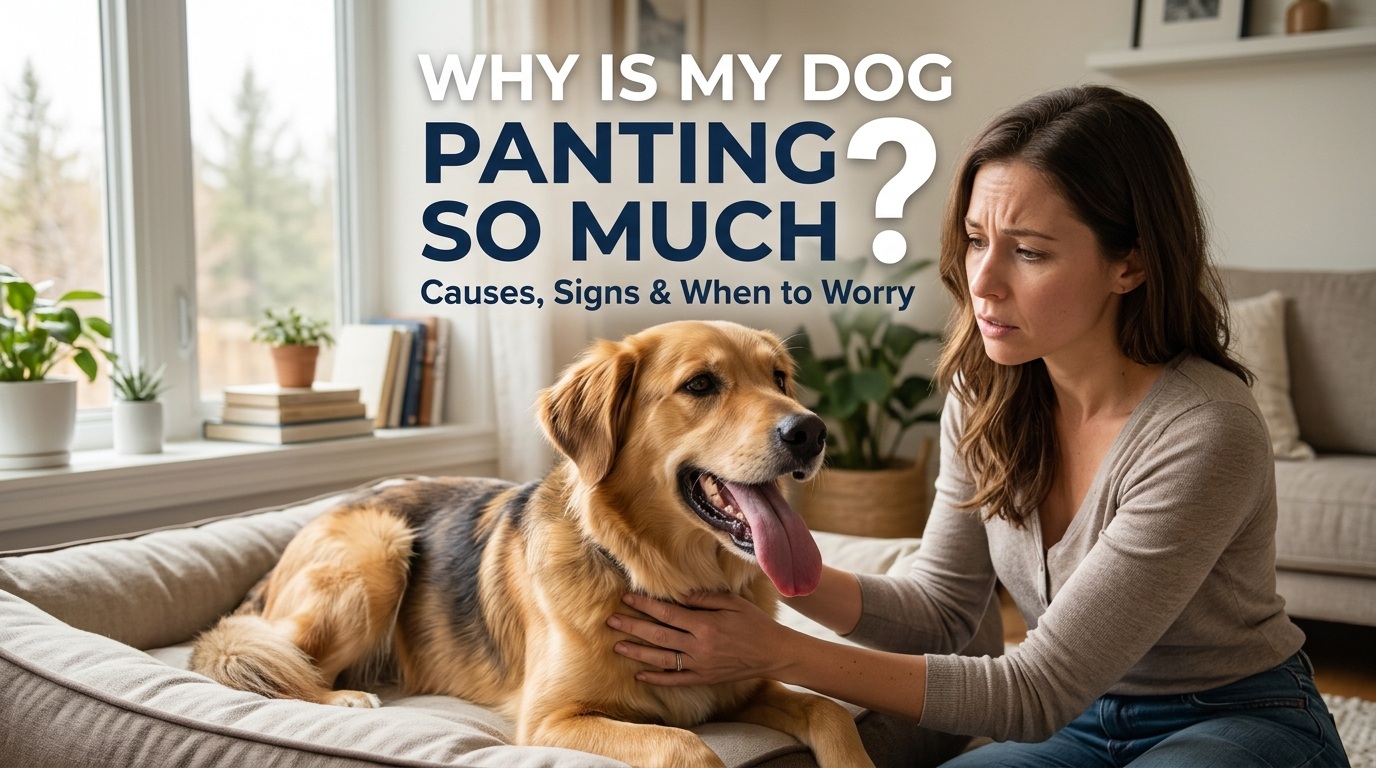
You see your dog lying on the floor post short walk with tongue out and breaths much faster than normal. At first it appears to be normal — but then you notice the panting doesn’t stop. To understand why your dog is panting, is a normal function of how dogs regulate themselves. What you should know is that while panting is normal, changes in the degree of it, the time in which it happens or the way in which they pant can point to stress, discomfort, or health issues.
Most of the time dog panting is a normal thing after exercise, excitement, or heat exposure. But if you see them panting at rest, heavy panting suddenly, or that goes along with weakness, coughing, shaking, or discomfort you should get veterinary advice.
Is Panting Normal for Dogs?
Yes, panting is a normal behavior for dogs in many situations.
Dogs commonly pant when they:
- Are cooling down after activity
- Feel excited
- Are playing
- Experience stress
- Travel in a car
- Encounter unfamiliar situations
Panting is one of the main ways dogs regulate body temperature because they cannot cool themselves through sweating the way humans do.
According to the American Kennel Club (AKC), dogs pant because they exchange warm air from their lungs with cooler external air, helping moisture evaporate from their mouth and respiratory passages. (akc.org)
The key factor is context.
A dog panting heavily after running around the yard is very different from a dog panting heavily while lying quietly in a cool room.
Normal Panting vs Concerning Panting
| Normal Panting | Potentially Concerning Panting |
| Happens after exercise | Happens while resting |
| Stops after cooling down | Continues for a long time |
| Dog acts happy and alert | Dog seems weak or uncomfortable |
| Happens in warm weather | Happens suddenly without explanation |
| Matches activity level | Seems excessive compared with the situation |
A dog’s normal panting pattern depends on:
- Age
- Breed
- Size
- Fitness level
- Environment
- Activity
For example, flat-faced breeds such as Bulldogs, Pugs, and French Bulldogs may pant more because their shorter airways can make breathing less efficient.
Why Is My Dog Panting So Much? Common Causes Explained
The reason behind excessive panting can range from something simple, like a warm room, to something requiring veterinary attention.
The most useful question is:
“What changed compared with my dog’s normal behavior?”
A dog that always pants after walks may be completely normal. A dog that suddenly starts panting while resting is a different situation.
Heat and Temperature Regulation
Heat is a very common cause of panting in dogs.
Dogs have fewer sweat glands than we do, so they use panting as a primary method of cooling.
In cases of heat related panting:.
• Hot outdoor temperatures
• Playing in the sun
• Warm indoor environments
• Long walks during hot weather
• Poor ventilation
After playtime outside a dog will slowly return to normal.
However it is up to the owners to be careful as dogs tend to overheat in hot weather and with intensive exercise.
Symptoms that heavy breathing may be at danger of heat related issues include:.
• Excessive drooling
• Weakness
• Confusion
• Vomiting
• Collapse
• Heat related illness is a medical emergency.
If a dog presents with serious signs of overheating veterinary care should be obtained right away.
Exercise and Excitement
Many dogs begin panting after physical activity.
Examples include:
- Running
- Playing fetch
- Going for a walk
- Meeting other dogs
- Training sessions
This type of panting is usually expected because the body is working to recover after increased activity.
The amount of panting depends on the individual dog.
A young, energetic Labrador may recover differently from an older dog with joint problems.
A practical rule:
Panting should gradually decrease as your dog rests and returns to a comfortable state.
If your dog continues heavy panting long after activity has stopped, look for other signs that something may be wrong.
Stress, Anxiety, and Fear Can Make Dogs Pant
Not at all times is panting a response to heat or exercise. Dogs also may pant when they are stressed out, nervous, or overwhelmed.
Panting due to emotions goes along with other body language.
In many cases of stress you will see:
• Thunderstorms
• Fireworks
• Car rides
• Veterinary visits
• New environments
• Separation from owners
• Meeting unfamiliar people or animals
A stressed dog may also:
• Pace around the room
• Tremble
• Hide
• Whine
• Lick their lips repeatedly
• Avoid eye contact
• Yawn frequently
It is important to identify what causes the stress. For example a dog that paces during car rides may require of a gradual training program and positive associations instead of just being put in the car for longer trips.
The same applies when introducing new pets. If you are trying to introduce a cat to a dog, a slow, controlled introduction can help reduce anxiety-related behaviors such as excessive panting, pacing, or nervousness.
Pain or Discomfort Can Cause Excessive Panting
Dogs cannot explain when something hurts, so changes in behavior are often the first clue owners notice.
Panting can sometimes be associated with pain or discomfort, especially when it happens:
- While resting
- During nighttime
- Without exercise or heat
- Along with unusual behavior
Signs that panting may be related to pain include:
- Difficulty getting comfortable
- Reluctance to move
- Limping
- Changes in appetite
- Whining
- Restlessness
- Avoiding touch
Older dogs may pant more because of conditions that cause discomfort, such as joint problems or age-related changes.
A dog that suddenly begins panting more than usual should be observed closely, especially if there are other changes in normal behavior.
Medical Conditions That Can Cause Excessive Panting
Sometimes panting is a symptom of an underlying health problem rather than a normal response.
Some possible medical causes include:
Respiratory Problems
Conditions affecting breathing can cause dogs to work harder to get enough oxygen.
Possible signs include:
- Increased breathing effort
- Coughing
- Exercise intolerance
- Blue or pale gums
Dogs with breathing problems should be evaluated by a veterinarian.
Heart-Related Issues
Some heart conditions can affect a dog’s ability to exercise comfortably.
Possible signs may include:
- Panting with little activity
- Reduced energy
- Coughing
- Difficulty settling at night
A veterinarian can determine whether heart function should be evaluated.
Medication Side Effects
Some medications may increase thirst, appetite, or panting.
For example, corticosteroids are known to cause increased panting in some dogs.
If your dog starts panting more after beginning a new medication, contact your veterinarian before changing or stopping the medication.
Hormonal Conditions
Certain hormonal disorders can also contribute to increased panting.
For example, conditions affecting hormone balance may cause changes in:
- Energy levels
- Weight
- Thirst
- Urination
- Coat condition
A veterinarian may recommend testing if the symptoms suggest an underlying condition.
My Dog Is Panting But Acting Normal—Should I Worry?
This is a primary issue for dog owners.
If your dog is panting but:
• Eating normally
• Drinking normally
• Acting playful
• Responding normally
• Recently exercised or experienced excitement
It may not be an emergency.
However, context matters.
A dog that has just finished a long walk will act different from one that is all of a sudden panted while at rest in a cold room.
Monitor:
• How long the panting lasts
• Whether it happens repeatedly
• Whether anything triggers it
• Whether other symptoms appear
Keeping it simple will help your vet to see the trend if the issue persists.
Note:
• Time of day
• Activity before panting
• Weather conditions
• Food and water changes
• Other behaviors
Why Is My Dog Panting at Night?
Nighttime panting can be especially worrying because many owners expect their dogs to be relaxed while sleeping.
There are several possible explanations.
Warm Sleeping Environment
A room that feels comfortable to humans may still feel warm to some dogs.
Check:
- Room temperature
- Bedding thickness
- Air circulation
- Sleeping location
Anxiety or Restlessness
Some dogs become unsettled at night due to:
- Changes in routine
- Noise
- Separation anxiety
- Age-related confusion
Older dogs may experience changes in sleep patterns that affect nighttime behavior.
Pain or Health Concerns
Nighttime panting may sometimes be linked to discomfort.
Pay attention if your dog also:
- Changes sleeping positions frequently
- Cannot settle
- Seems restless
- Has difficulty standing up
If nighttime panting becomes a new or frequent pattern, discussing it with your veterinarian is a good idea.
How to Help a Panting Dog Calm Down
The best way to help depends on why your dog is panting.
If Your Dog Is Hot
Try:
- Moving them to a cooler area
- Providing fresh water
- Allowing quiet rest
- Avoiding intense activity during extreme heat
Never force a hot dog to continue exercising.
If Your Dog Is Anxious
Help create a calmer environment.
You can:
- Reduce loud noises
- Provide a familiar resting space
- Maintain a consistent routine
- Use gradual training for known triggers
For example, a dog afraid of storms may benefit from preparation before storms arrive rather than only reacting once anxiety starts.
If Your Dog Is Overstimulated
Excited dogs may need help settling after:
- Visitors arrive
- Play sessions
- Training
- Outdoor activities
A calm routine after exciting events can help the dog transition back to rest.
Panting and Other Strange Dog Behaviors
Dog owners often search multiple behaviors together because they notice small changes.
For example:
- “Why is my dog licking the floor?”
- “Why does my dog sigh?”
- “Why is my dog pulling on leash?”
These behaviors can have many different explanations.
Why Is My Dog Licking the Floor?
Occasional licking may simply be curiosity or interest in food smells.
However, frequent floor licking may sometimes be linked to:
- Anxiety
- Nausea
- Gastrointestinal discomfort
- Habitual behavior
If excessive licking appears alongside panting, vomiting, appetite changes, or restlessness, it is worth discussing with a veterinarian.
Why Does My Dog Sigh?
Dogs sigh for many normal reasons.
A sigh may indicate:
- Relaxation
- Settling down
- Mild frustration
- Wanting attention
A single sigh is usually not concerning.
However, repeated sighing combined with changes in behavior, reduced activity, or signs of discomfort may deserve attention.
Can Pulling on a Leash Cause Panting?
Yes, physical effort and excitement during walks can increase panting.
A dog that pulls strongly on a leash may:
- Exert more energy
- Become overstimulated
- Experience throat pressure depending on equipment used
Training loose-leash walking can make walks more comfortable.
A properly fitted harness or collar should also be considered based on your dog’s needs.
When Should You Call a Veterinarian?
Panting by itself isn’t always a sign of a problem, but some signs should be paid attention to.
Contact your veterinarian if panting is:
· Sudden and unexplained
· Much heavier than usual
· Happening while resting frequently
· Combined with cough or breathing difficulty.
· Accompanied by weakness or collapse
· Associated with pain signs
· Presenting with symptoms of diarrhea or to great behavioral change.
If your dog is showing signs of serious breathing trouble, pass out, confusion, or what may be a heat related illness seek immediate veterinary care.
How Veterinarians Evaluate Excessive Panting
A veterinarian may consider:
• Your dog’s age
• Breed
• Medical history
• Recent activity
• Environment
• Other symptoms
They may perform:
· Physical examination
· Listening to the breath and heart.
· Blood tests
· Imaging and as needed other tests.
The aim is what to do about the cause of the panting not the panting itself.
Frequently Asked Questions
My dog is breathing heavily at rest, why?
Panting at rest may be due to stress, a warm environment, excitement, or discomfort. If your dog is a frequent panting at rest without cause also bring to the vet’s notice other symptoms if any.
Is my dog supposed to be always panting?
No. Dogs will pant in certain situations which are natural, but constant panting is a matter which should be looked into. Look at what the temperature is, how active your dog has been, if there is any anxiety, age of your dog, and health issues. If there is a sudden change from what is usual for your dog pay attention.
My dog is panting but what is he doing otherwise?
A dog may still be panting out of what seems like normal behavior post exercise, excitement, or mild stress. Watch for when the panting subsides once rest is achieved.
Why does my senior dog have more of a tendency to pant?
Older dogs tend to pant more due to discomfort, reduced heat tolerance, anxiety, or age related health issues. If you notice an increase in panting bring it up with your vet.
How do I know when my dog is overheating?
Signs of heat stroke may present as very heavy panting, drenching drool, weakness, disorientation, vomiting, or collapse. Get the dog to a cooler setting and get veterinary help if symptoms are severe.
Final Thoughts
Understanding the cause of your dog’s panting is a matter of looking at what is going on in the environment of the behavior. While panting after exercise, from excitement, or due to heat is common and usually nothing to worry about, sudden onset of panting, that which occurs during rest, or which is accompanied by other symptoms is a sign that your dog requires attention.
The best step owners can take is to learn what is normal for their dog. Each dog has his own set of behaviors and by identifying that which is typical for your dog you can more easily see what changes may be of concern and in what they may need to intervene earlier rather than later.
If you notice your dog’s abnormal, persistent, or out of the ordinary panting do report what you see to your vet and when it happens.
Your dog may not be able to tell you what is out of sorts, but changes in his behavior can be very telling.
Internal Link Placement Suggestions
Since no internal URLs were provided, use placeholders:
Behavior Section
Anchor:
introduce cat to dog
[INTERNAL LINK NEEDED: how to introduce a cat to a dog safely]
Dog Walking Section
Anchor:
dog pulling on leash
[INTERNAL LINK NEEDED: how to stop a dog from pulling on leash]
Dog Behavior Section
Anchor:
why is my dog licking the floor
[INTERNAL LINK NEEDED: why dogs lick floors]